Volunteer bird bander Ryan Davenport uses decades of community-collected data to uncover how migratory birds are changing with the world’s climate.
by Betsy Rogers
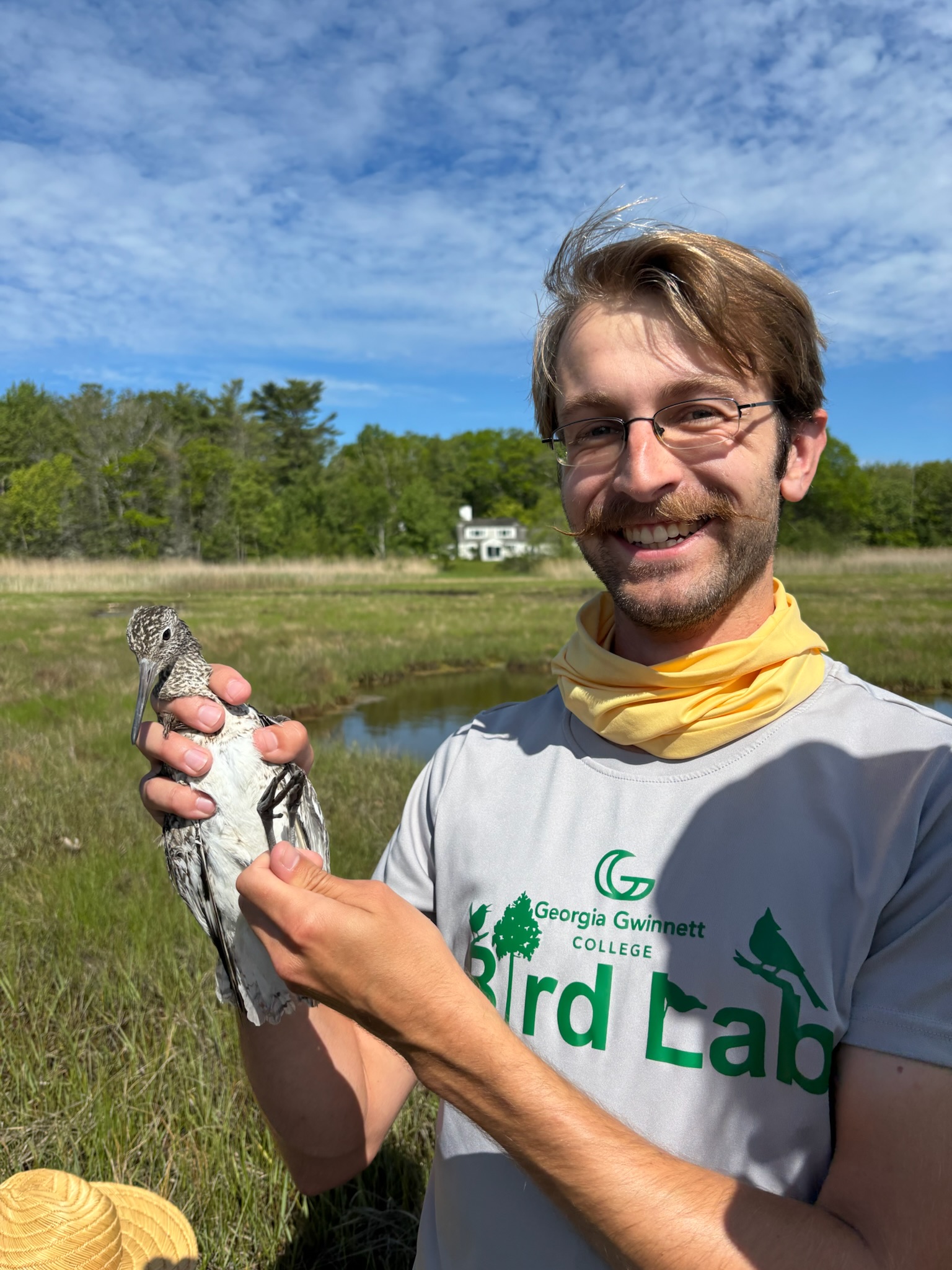
Every fall, before sunrise breaks over Jekyll Island, a small team of dedicated volunteers heads into the maritime forest and dune scrub to open mist nets. Throughout the morning they carefully monitor the nets, safely remove migrating birds, collect scientific data, and release each bird with a lightweight aluminum leg band before it continues its incredible journey south.
For many visitors, it’s an unforgettable glimpse into bird migration.
For Ryan Davenport, a former student, now-graduate of University of Tennessee at Chattanooga, it became the foundation of a master’s thesis.
An experienced volunteer with the Jekyll Island Bird Banding Station (JIBS) and several other bird banding stations across the eastern United States, Davenport recently completed a master’s research project examining nearly 40 years of bird banding data collected on Jekyll Island. His work demonstrates the extraordinary scientific value of long-term community science—and the volunteers who make it possible.
Decades of Volunteer Effort
Since opening in 1977, the Jekyll Island Bird Banding Station has welcomed hundreds of volunteers, students, and licensed bird banders. Together they have contributed thousands of hours collecting standardized data on migrating songbirds.
Every bird banded adds another piece to a dataset that has grown into one of the longest-running records of fall migration along Georgia’s coast.
Those individual moments—a Western Palm Warbler gently measured before release, the mass of a Gray Catbird taken on an instrument that has survived sand and heat, a volunteer recording data on a weathered data sheet — may seem small. But when repeated year after year, season after season, they become something remarkable: a scientific record capable of answering questions no one could have imagined asking decades ago.
Davenport’s research is a testament to that collective effort.
What Forty Years of Data Can Tell Us
Analyzing nearly four decades of migration records, Davenport found significant declines in capture rates of several migratory songbird species stopping at Jekyll Island during fall migration.
Among the most striking findings were:
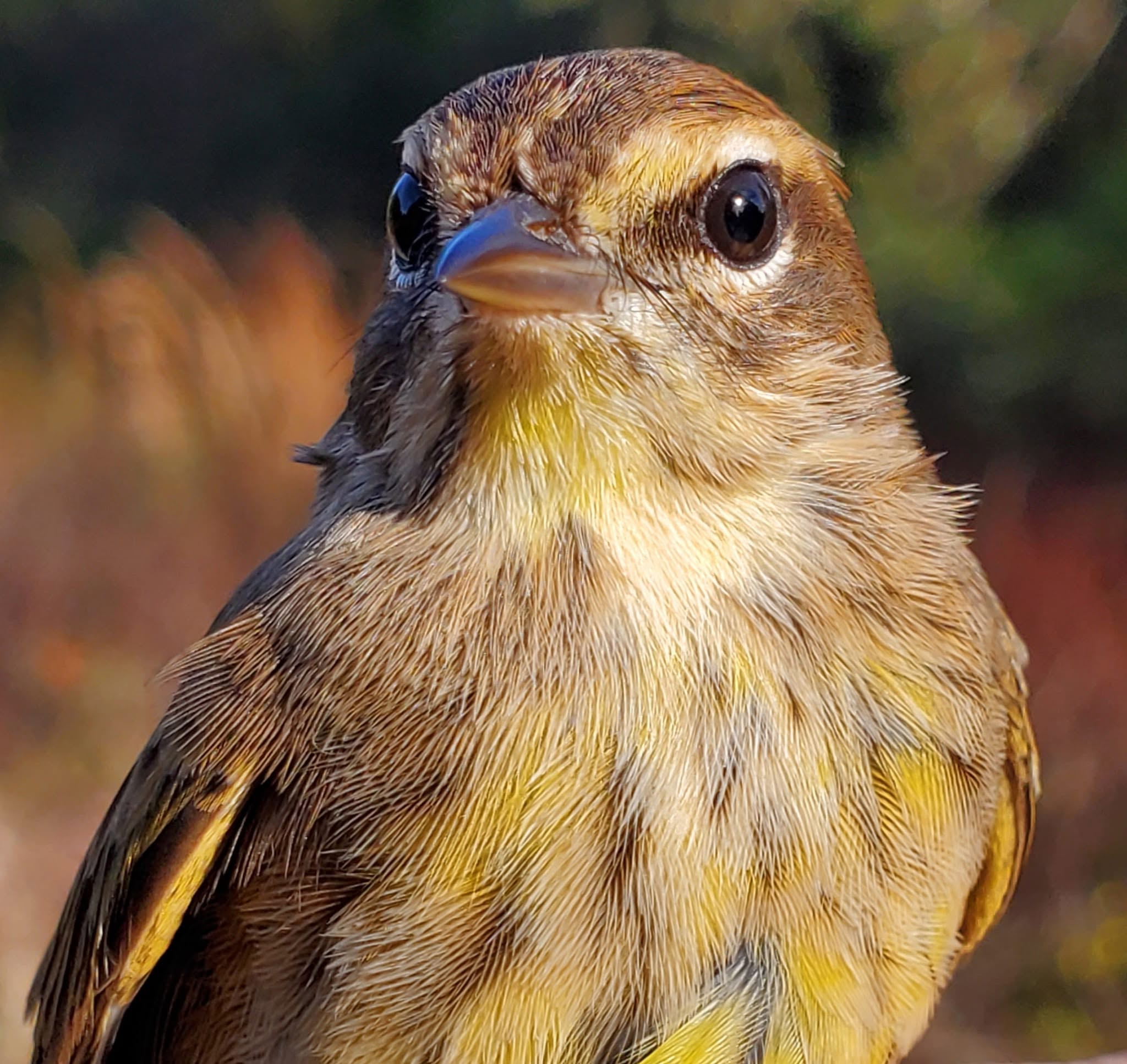
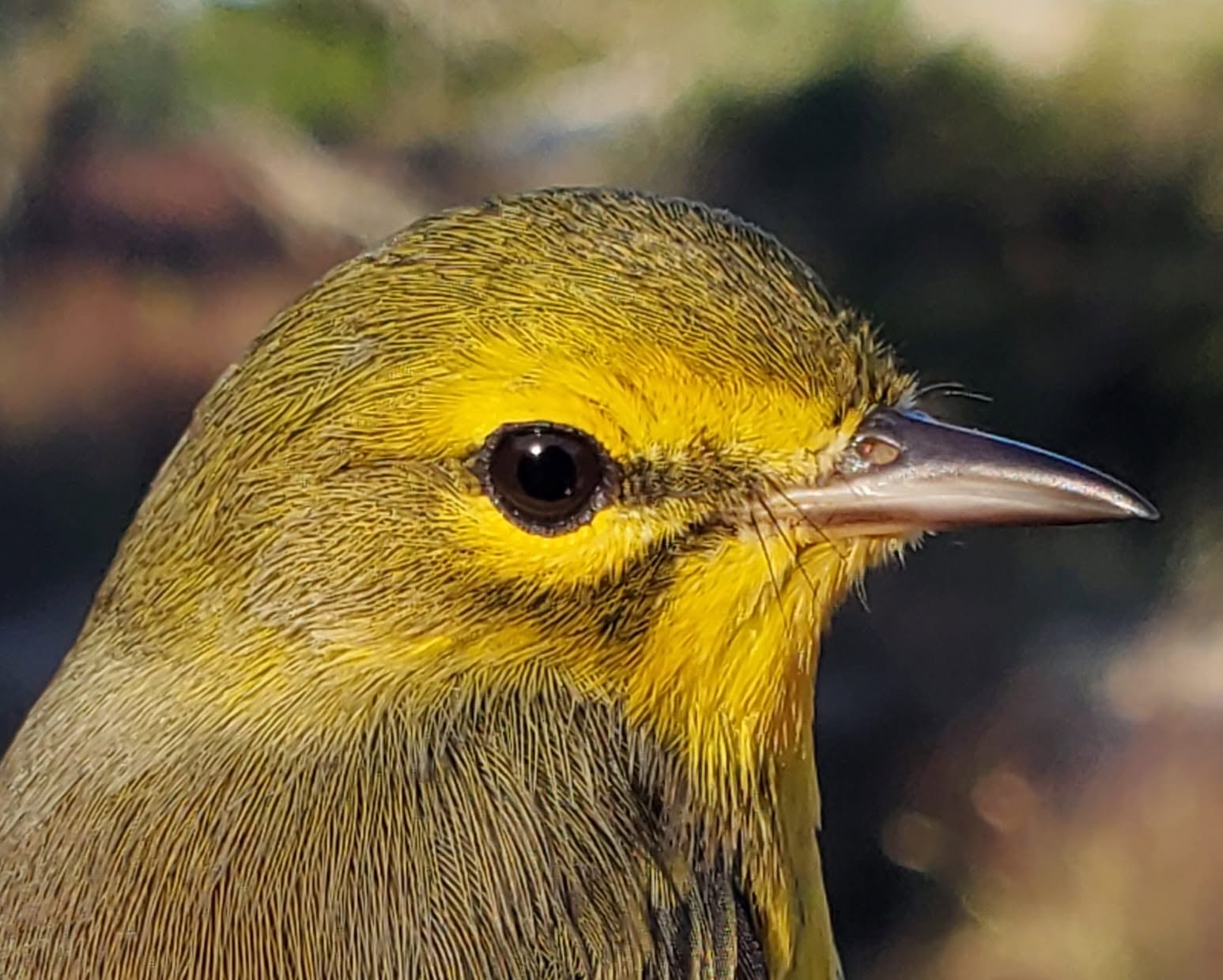
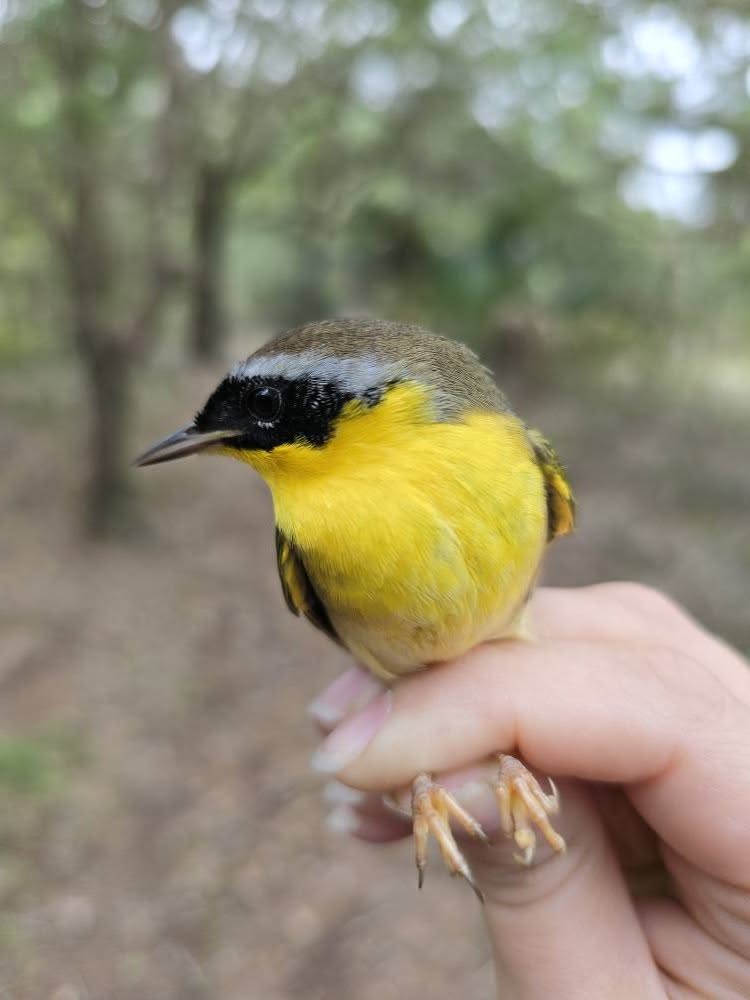
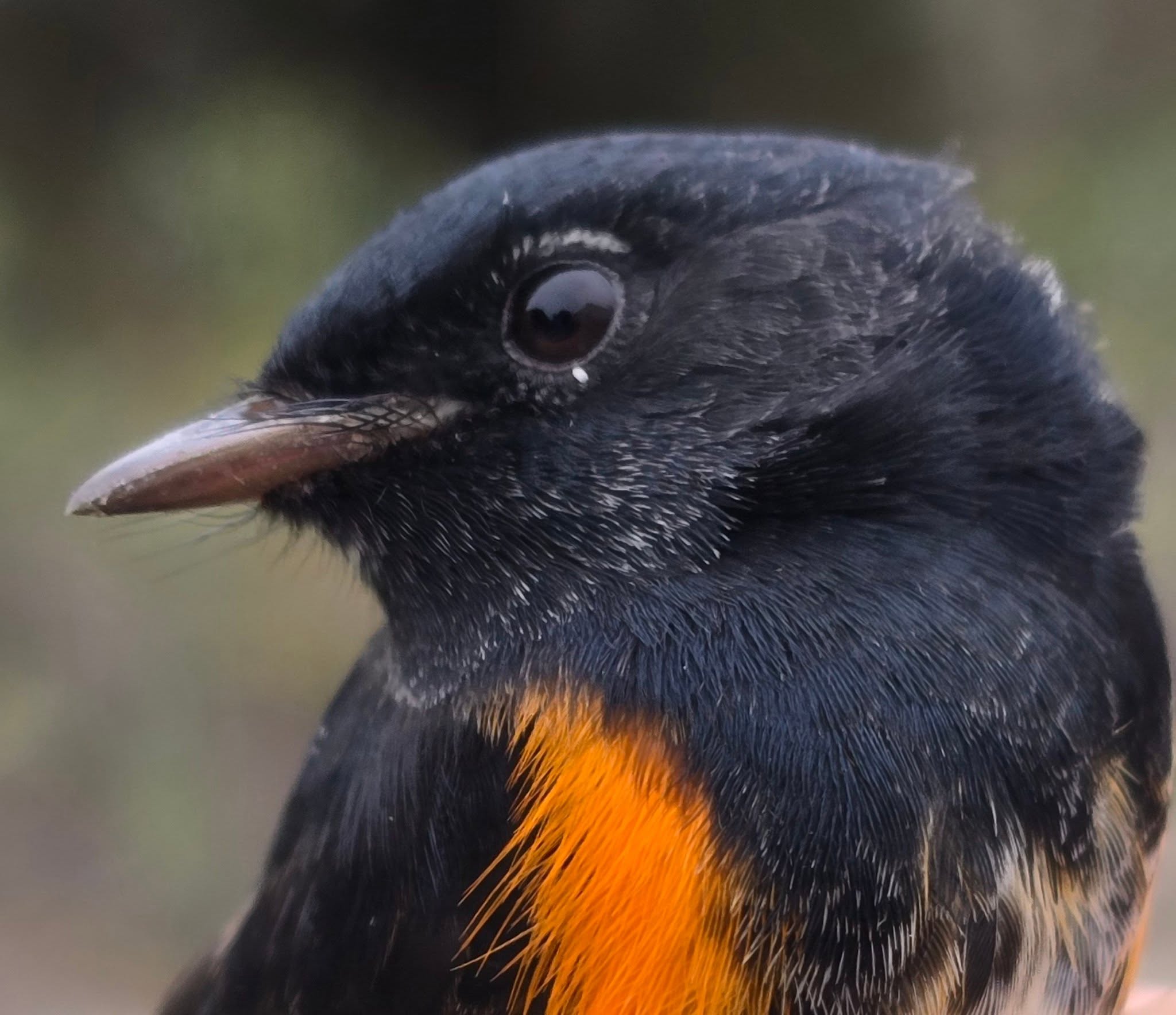
Not every species followed the same trend.
Painted Buntings’ capture rate increased during the study period, while Gray Catbirds’ capture rate remained relatively stable, illustrating that each species responds differently to environmental change.
These patterns closely mirror the widespread declines that scientists have documented across North America, emphasizing that the changes observed on Jekyll Island are part of a much larger conservation story.
Birds Are Changing Their Schedules
Davenport’s research also found that migration timing is shifting.
Two common migrants—the Western Palm Warbler and Gray Catbird—are now passing through Jekyll Island roughly eight days later than they did in the late 1980s.
These changes are consistent with growing evidence that migratory birds are responding to climate change by adjusting the timing of their annual journeys. Understanding how and why these shifts occur is critical for conservation, particularly if birds begin arriving after important food resources have peaked.
Why Jekyll Island Matters
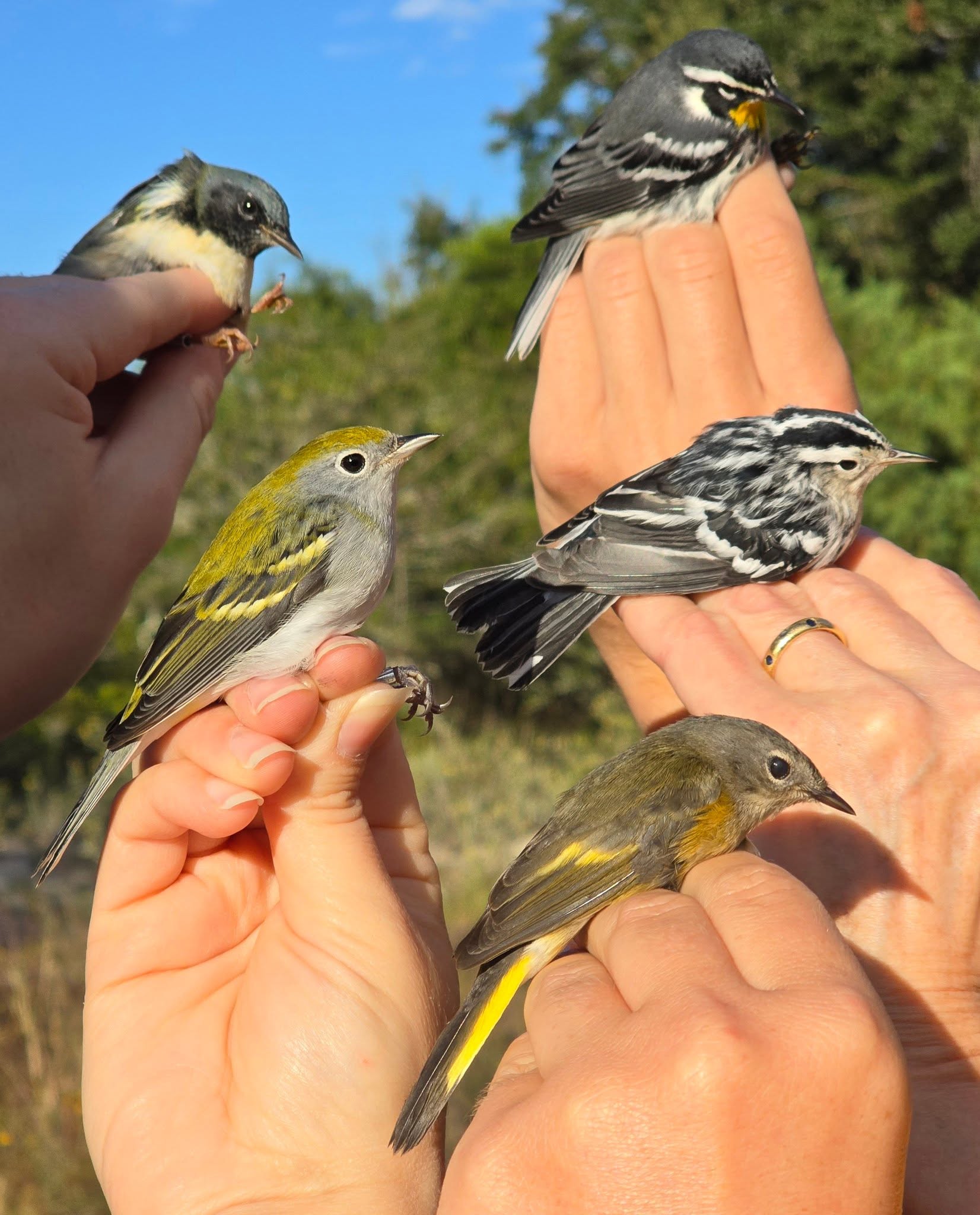
Barrier islands like Jekyll serve as essential stopover habitat for migratory birds traveling thousands of miles between North America and the tropics.
These birds depend on healthy coastal forests and shrublands to rest and replenish the fat reserves needed for the next stage of migration that sometimes includes flights over hundreds of miles of open water.
Protecting these habitats is about much more than preserving beautiful landscapes. It’s about ensuring migratory birds have the resources they need to survive one of the most demanding journeys in the natural world.
Community Science Makes Research Like This Possible
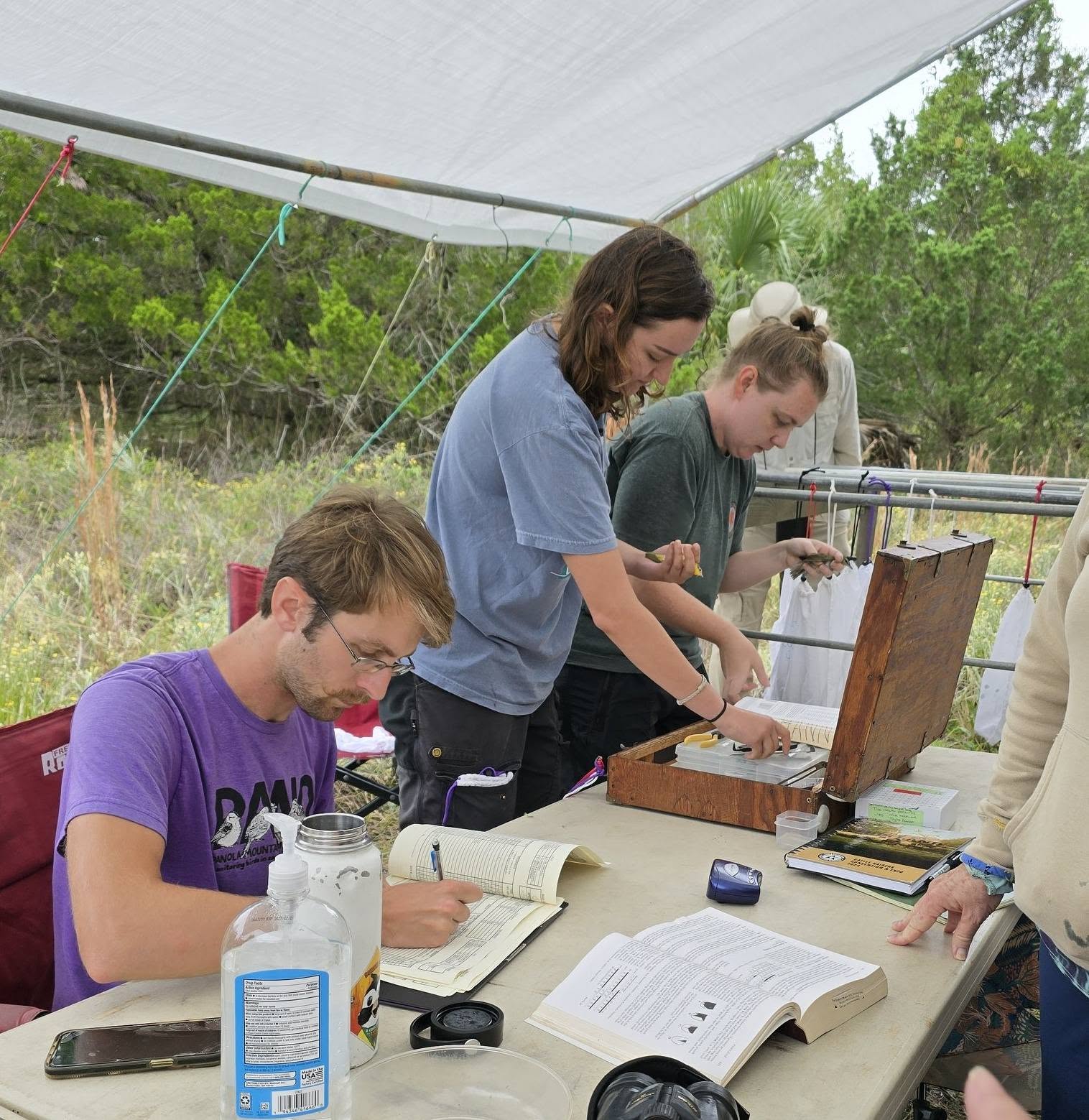
Perhaps the most inspiring aspect of Davenport’s work is that it demonstrates the lasting impact of community science.
The volunteers who wake before dawn, monitor mist nets, record measurements, mentor new banders, and welcome curious visitors are doing far more than helping with a seasonal project. They are contributing to a scientific legacy that grows more valuable with every passing year.
Many volunteers who helped collect data decades ago likely hoped their efforts would someday support research, but not many could imagine what the data said when examining climate change, migration phenology, and long-term population trends.
Each bird carefully banded by a volunteer became another data point in a dataset capable of revealing changes that unfold across generations.
Looking Ahead
Davenport’s research highlights both the challenges facing migratory birds and the importance of continuing long-term monitoring.
As climate change reshapes migration and habitats continue to change across the Americas, datasets like those collected at Jekyll Island become increasingly valuable. They help scientists identify emerging trends, inform conservation decisions, and better understand how birds are responding to a rapidly changing world.
Most importantly, the study reminds us that meaningful scientific discoveries don’t always begin in a laboratory.
Sometimes they begin on a cool October morning, with a volunteer opening a mist net before sunrise and, after a good measuring and observation, carefully releasing a tiny songbird to continue its journey south.
Forty years later, those moments have become science that can help shape the future of bird conservation.
Sourced from CHANGES IN AVIAN CAPTURE RATE AND MIGRATION PHENOLOGY ACROSS 37 YEARS AT A COASTAL BARRIER ISLAND IN GEORGIA, A Masters’ Thesis by Ryan Davenport, May 2026